Civic Organizations and Education Systems Change in Developing Countries
Jose Eos Trinidad
About the research
Award
NAEd/Spencer Postdoctoral Fellowship
Award Year
2026
Institution
University of California, Berkeley
Primary Discipline
Educational Policy
Most studies of external actors in education assume a retreating state and cast civic organizations as challengers to public institutions. Yet in many developing countries with highly centralized education bureaucracies, civic organizations often operate as partners, complements, or stopgap solutions. This raises the puzzle: How do they function differently in non-Western contexts? Focusing on the Philippines and Malaysia, this project investigates how civic organizations influence education systems change like bureaucratic reforms, new legislation, technological initiatives, and support for marginalized populations. Drawing on interviews, organizational documents, and participant observation, it traces two organizational ecosystem's history of civic engagement in education reform from 2010 to 2025. In the Philippines, civic actors strengthened state capacity by embedding themselves in bureaucracies to advance policy changes, while in Malaysia they cultivated a civic ecosystem by founding new organizations serving disadvantaged groups. This contrast suggests how similar organizational models adapt to distinct socio-political environments, shaping the direction of either top-down or bottom-up systems changes. In interrogating these dynamics, the research explores how civic organizations differentially influence change and navigate persistent tensions over agenda-setting, funding, and legitimacy. In the process, it contributes to scholarship on education politics, civil society, and global education, theorizing how civic action reshapes centralized education systems.
About Jose Eos Trinidad
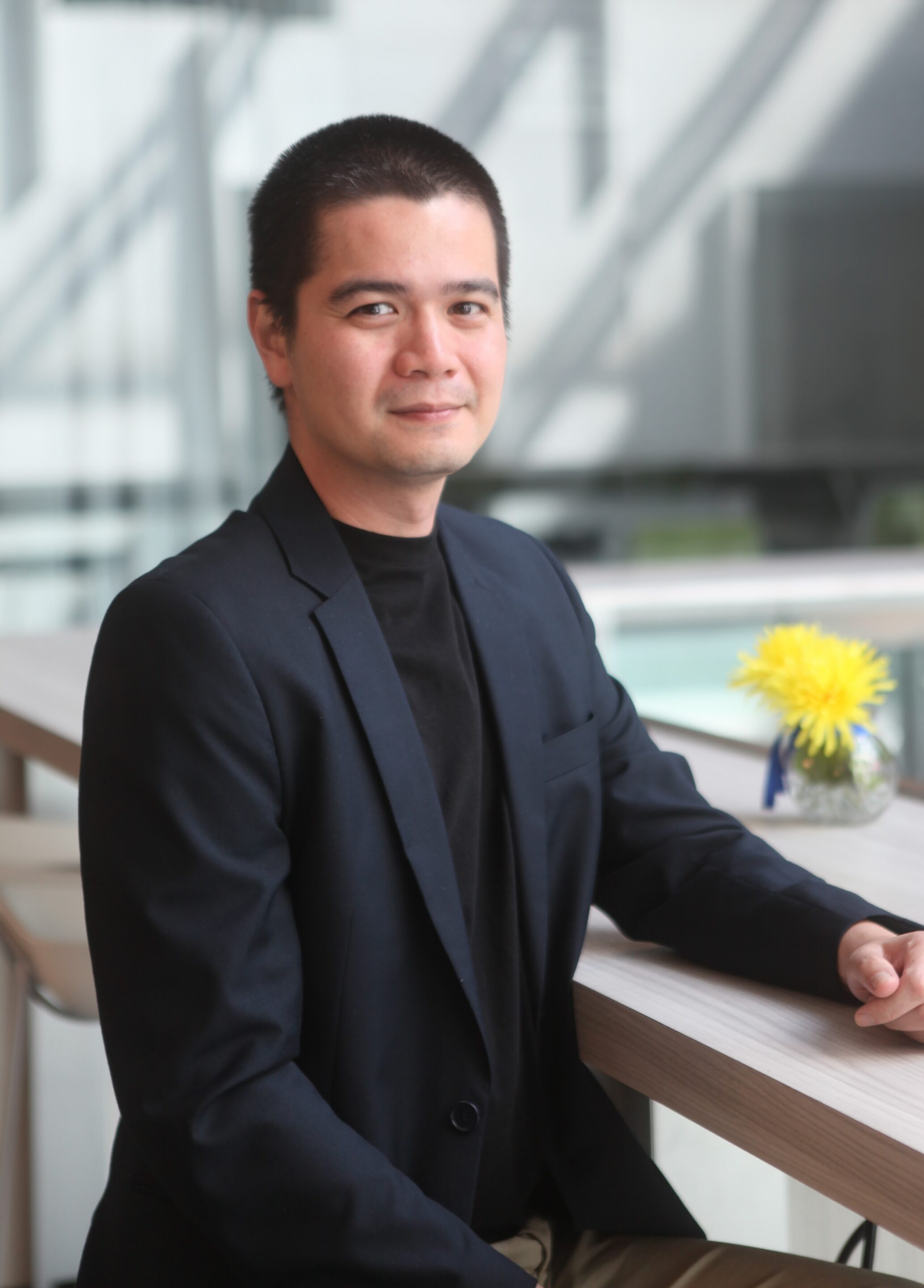
Jose Eos Trinidad is an Assistant Professor of Education and Organizational Studies at the University of California, Berkeley. He is a sociologist focused on the study of organizations outside schools and the study of schools as organizations. Author of three books and over 40-peer reviewed journal articles, his research primarily investigates the interaction between schools and "outside" research, philanthropic, and nonprofit organizations, with consequences for our understanding of public policy implementation, school improvement, and state-civil society dynamics. His new work looks at these cross-sector partnerships (1) in large urban school districts like Chicago, Philadelphia, San Francisco, and New York City, (2) with quantitative datasets assembled from US nonprofit tax records, and (3) in new civic ecosystems in developing countries. To understand policies and politics holistically, he is a multi-method researcher using quantitative causal inference strategies, qualitative interviews, and network analysis. He received his Joint PhD in Sociology and Comparative Human Development from the University of Chicago.