
Understanding Inter-epistemic Knowledge Creation: A Participatory Study of Agroecological Learning in Guatemala's Maya-Achí Territory
Michael Bakal
About the research
Award
NAEd/Spencer Postdoctoral Fellowship
Award Year
2026
Institution
University of California, Santa Cruz
Primary Discipline
Other
This study examines learning across diverse knowledge systems, an issue with important implications for both learning theory and for addressing a host of social and ecological dilemmas. Set in the Maya-Achí territory of Rabinal, Baja Verapaz, Guatemala, where millennia-old milpa farming traditions face mounting threats from climate change and agrochemical dependency, the project examines the learning of a cohort of 12 young people as they train to become promoters of agroecology. Drawing on sociocultural learning theory and participatory, design-based research methods, I ask: (1) How do youth agroecologists learn to weave together Indigenous and Western epistemologies in the practice of agroecology? and (2) What features of learning environments support or constrain learners in creating new, inter-epistemic knowledge? Using co-participant observation and artifact analysis, I trace how youths’ contributions and relations change over time within agroecological communities of practice. I particularly focus on how participants learn to flexibly apply agroecological principles and practices emerging from both Western and ancestral sources of knowledge. Broadly, this study contributes to growing literature on how inter-epistemic learning unfolds in interaction, while also advancing practice-based understandings of how to organize learning environments that sustain Indigenous knowledge systems and engage youth in food systems transformation.
About Michael Bakal
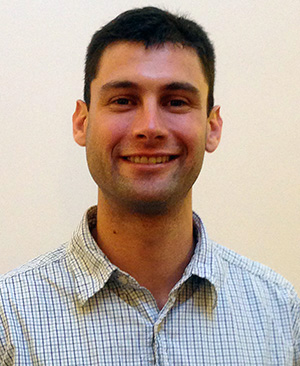
Michael Bakal is a visiting scholar at UC Santa Cruz and the co-founder of Voces y Manos por el Buen Vivir, a youth empowerment and environmental justice organization based in the Maya-Achí region of Guatemala. As a learning scientist and design-based researcher, Michael studies how youth develop political, ethical, and relational agency in the context of environmental justice and food sovereignty movements. He has 18 years of experience co-designing and studying programs spanning agroecology, youth participatory action research, health promotion, and human rights in partnership with community-based organizations in the United States and Central America. Most recently, he has been building research-practice partnerships with the Maya-Achí Agroecology Network (RAMA) and developing methodologies and principles to guide collaborations between Western researchers and Indigenous communities. His research has been published in academic venues like Mind, Culture, and Activity, Health Promotion International, and NPJ-Climate Action, and his public-facing op-eds have appeared in newspapers such as the Sacramento Bee and San Francisco Chronicle. Michael previously worked as a public health educator and high school science teacher in Los Angeles and in Rabinal, Baja Verapaz, Guatemala.