Sociopolitical Contexts of Teaching Reproductive Rights and Histories: Exploring the Double Bind of Teaching Abortion Post-Dobbs v. Jackson
Rebecca Geller
About the research
Award
NAEd/Spencer Postdoctoral Fellowship
Award Year
2026
Institution
University of Georgia
Primary Discipline
Social Studies
Many social studies teachers in the U.S. today find themselves wrestling with a powerful double bind of simultaneous incentives and disincentives to teach about abortion, reproductive rights, and reproductive history. When Roe v. Wade or Dobbs v. Jackson is in the standards and the state also has a very restrictive anti-abortion law, when district officials have warned ominously about teaching "divisive concepts" and students also ask constantly for help understanding what Dobbs means for their lives – what can and what do teachers do? Social studies education to date has been largely silent on teaching reproductive rights and history, with little insight for teachers and none which explicitly attends to the fraught sociopolitical contexts of the U.S. post-Dobbs. Informed by scholarship in reproductive justice and sociopolitical contexts of teaching and learning, this study investigates how, why, and under what conditions teachers are teaching about reproductive rights and histories, including in states with restrictive anti-abortion laws or which ban teaching about abortion in health or sex education. It employs teacher interviews, focus groups, and a critical discourse analysis of curricular materials to understand teachers' curricular and pedagogical decisions, implicit ideological perspectives therein, teachers' experiences, and their sensemaking. This study offers timely conceptual and empirical contributions with implications for teacher education and classroom practice, aiming to build a more nuanced, substantive, and informed public debate.
About Rebecca Geller
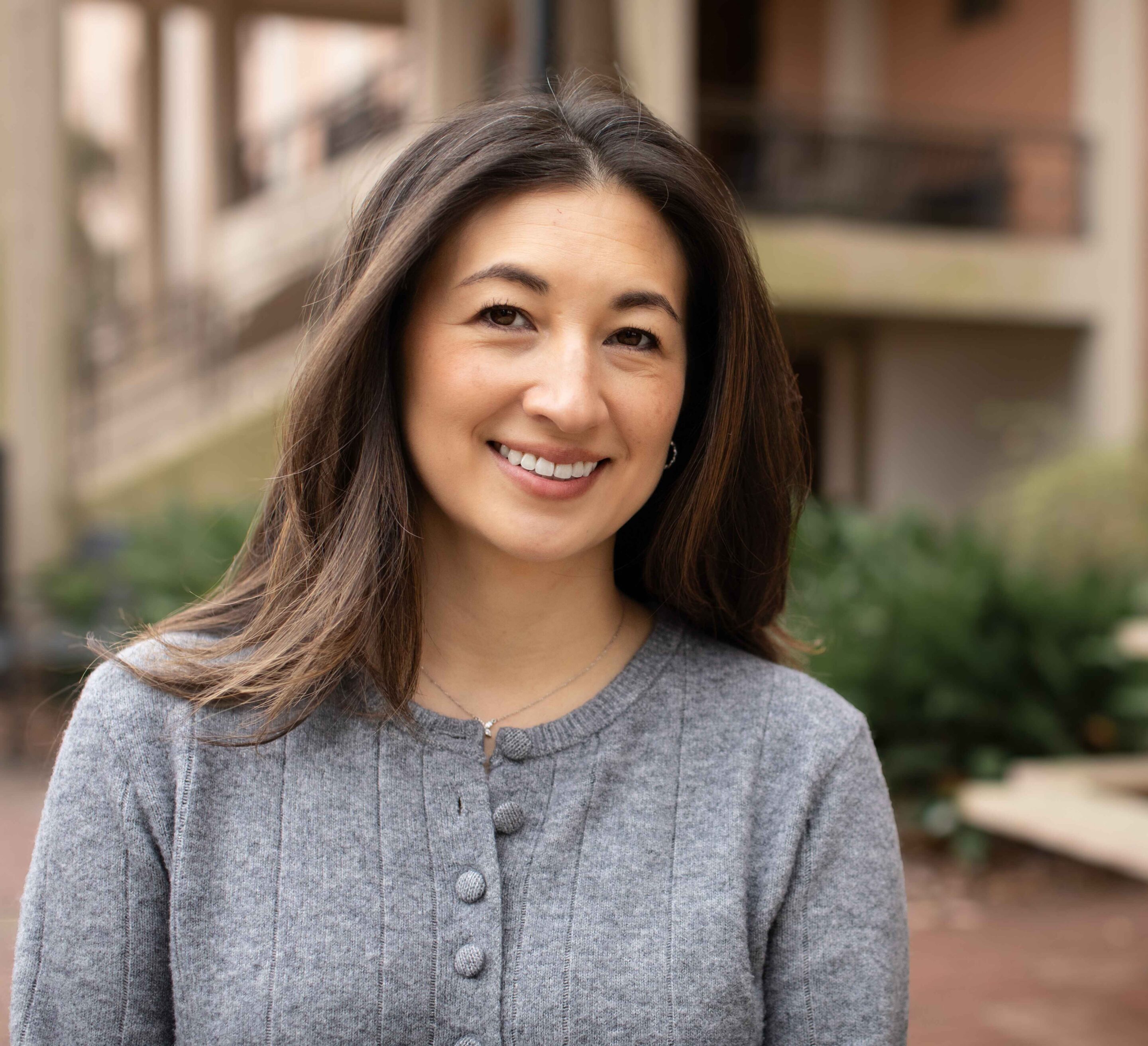
Rebecca C. Geller is an assistant professor of Social Studies Education in the Mary Frances Early College of Education at the University of Georgia. Informed by her classroom teaching experience in Oakland, her scholarship broadly explores the sociopolitical dynamics that shape social studies teaching and learning, teachers' experiences and understanding of teaching controversial issues, and their efforts to teach through or around their local contexts. She is interested in understanding how teachers navigate and make sense of politicized topics, contexts, pedagogical methods, and democracy and justice in the fractured, charged national political climate characterizing our time. At present, her studies center on understanding reproductive rights in social studies education and on the experiences of teachers who have survived mass-casualty school shootings. She is the recipient of the 2025 Kipchoge Neftali Kirkland Social Justice Award from the College and University Faculty Assembly of the National Council for the Social Studies for her work on reproductive justice. She holds a B.A. in Comparative History of Ideas from the University of Washington and a Ph.D. in Education (Urban Schooling) from the University of California, Los Angeles.